Natural Stone vs. Concrete Pavers: Which Is Better for NJ Patios and Walkways?
Dave Steinel • September 16, 2026
Natural stone and concrete pavers are both popular materials for patios and walkways in New Jersey. Each option offers different benefits in appearance, cost, maintenance, and design flexibility. The right choice depends on your property, budget, and how the new hardscape will connect with the surrounding landscape.
Natural Stone for Patios and Walkways
Natural stone includes materials such as bluestone and flagstone that are cut or shaped for patios, walkways, steps, and masonry features. Since every piece has slight variations in color and texture, natural stone creates a distinctive appearance. It often works especially well on wooded properties or homes with existing stonework.
Bluestone is a popular patio material in NJ because its blue-gray tones complement many traditional and contemporary homes. It can be installed in rectangular patterns for a structured appearance or in irregular layouts for a more natural look.
Concrete Pavers for Patios and Walkways
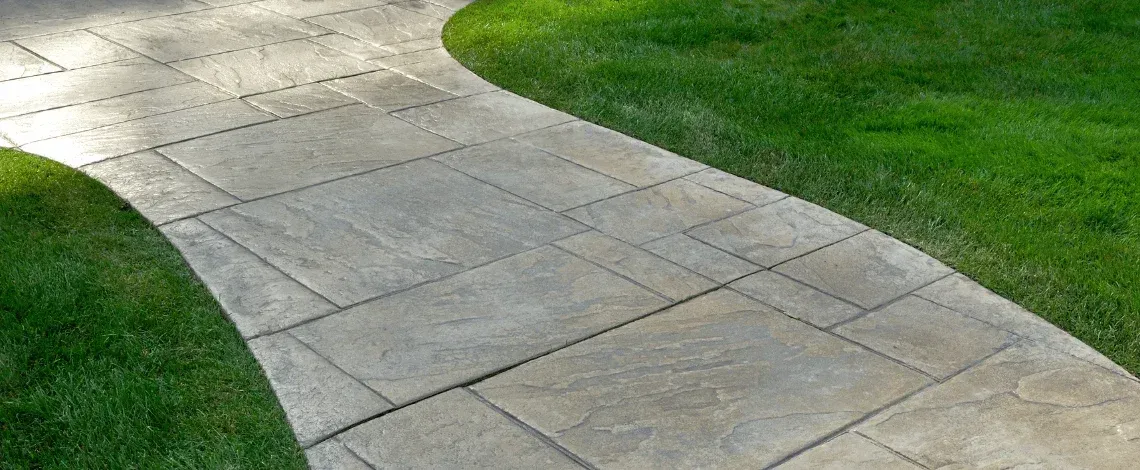
Concrete pavers are manufactured in consistent shapes, sizes, colors, and textures. They can be arranged in different patterns and borders to coordinate with the home, retaining walls, and surrounding landscaping. Their uniform sizing also creates a smooth and organized appearance.
Pavers are installed individually over an excavated and prepared base. This allows damaged sections to be lifted and replaced without rebuilding the entire patio or walkway. Concrete pavers are commonly used for patios, sidewalks, driveway aprons, and connections between outdoor living areas.
Natural Stone vs. Concrete Pavers
| Category | Natural Stone | Concrete Pavers |
|---|---|---|
| Appearance | Unique colors and natural texture | Consistent colors and patterns |
| Design style | Organic, traditional, or upscale | Traditional, modern, or customized |
| Cost | Typically higher | Often more budget-friendly |
| Surface | May have natural variations | Generally more even and uniform |
| Repairs | Replacement stone may be difficult to match | Individual pavers are easier to replace |
| Best suited for | Bluestone patios and natural landscapes | Patios, sidewalks, and defined walkways |
Performance in New Jersey Weather
Both materials can perform well through New Jersey’s temperature changes when installed correctly. Proper excavation, grading, base preparation, and drainage help prevent water from pooling beneath the surface. Without this preparation, either material may settle, shift, or become uneven.
Natural stone is durable, but performance depends on the stone type, thickness, and installation method. Concrete paver joints allow limited movement during freeze-and-thaw cycles. Professional installation is essential for creating a stable surface that directs water away from the patio, walkway, and home.
Maintenance and Repairs
Natural stone requires routine cleaning and occasional joint maintenance. Irregular joints may collect soil, debris, or organic growth, particularly in shaded areas. Damaged stones can be replaced, although finding an exact color and texture match may be difficult.
Concrete pavers also require cleaning and occasional replacement of joint sand. Their modular design makes individual repairs more straightforward. Keeping extra pavers from the original installation can help ensure replacement pieces match the existing surface.
Which Material Is Better for Your Project?
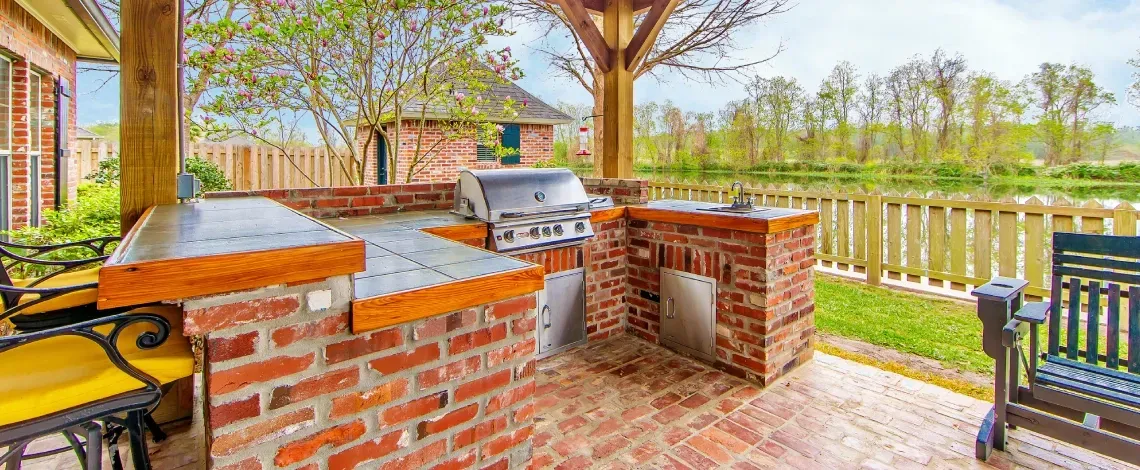
Natural stone may be the better option when you want a distinctive patio or walkway that blends with existing stonework and landscaping. Bluestone can also coordinate with retaining walls, outdoor kitchens, fire features, and other masonry elements. Its natural variation creates a custom appearance that changes slightly across the surface.
Concrete pavers may be better when you want more control over the layout, pattern, and project budget. They work well for patios, sidewalks, and frequently used walkways that benefit from a more uniform surface. Pavers can also be incorporated into larger outdoor living projects alongside grading, drainage, lighting, and landscaping improvements.
Plan the Entire Hardscape, Not Just the Surface
The surface material is only one part of a successful patio or walkway installation. The project may also require excavation, grading corrections, drainage improvements, retaining walls, or transitions between different elevations. Planning these elements together helps the finished space remain attractive and functional.
DRS Lawn & Landscape provides hardscaping, masonry, excavation, grading, drainage, and outdoor living construction throughout Long Valley, Morris County, and surrounding New Jersey communities. Our team can evaluate your property and help you compare natural stone and concrete pavers based on your design goals, site conditions, and budget.
Contact us today to discuss your new patio or walkway.
Recent Posts