Spring Yard Cleanup in NJ: What a Professional Cleanup Actually Does and Why Timing Matters
Dave Steinel • September 23, 2026
Winter weather can leave New Jersey properties covered in leaves, fallen branches, dead plant material, and debris. A professional spring yard cleanup removes that buildup and prepares the lawn and landscaped areas for regular seasonal maintenance. It creates a cleaner starting point for mowing, edging, trimming, blowing, and other services needed throughout the growing season.
Timing is also important when scheduling spring yard cleanup in NJ. Beginning while the soil is saturated can damage soft turf, but waiting too long allows grass and weeds to grow through leftover debris. Scheduling the work when the property is dry enough helps protect the lawn and makes the cleanup more effective.
What Does a Professional Spring Cleanup Include?
A professional spring cleanup service in NJ addresses areas needing attention before routine lawn and landscape maintenance begins. Instead of removing leaves from only the most visible sections, the crew works across the lawn, landscape beds, property edges, and paved surfaces.
A seasonal cleanup may include:
- Removing leaves, sticks, and winter debris
- Clearing debris from lawns and landscape beds
- Cutting back appropriate dead plant material
- Trimming damaged or overgrown landscape growth
- Redefining landscape bed edges
- Blowing off patios, walkways, and driveways
- Preparing the lawn for regular mowing
- Collecting and removing landscape debris
The exact scope depends on the property’s condition and the amount of buildup left after winter. Completing these services together helps create an orderly transition into weekly landscape maintenance.
Removing Winter Debris From the Lawn
Leaves, branches, and storm debris can block sunlight and hold excess moisture against the grass. They can also interfere with mowing equipment once the lawn begins growing. Removing this material allows the turf to receive more light and air while creating a safer, cleaner surface for the first mowing.
Once the debris is removed, the condition of the lawn becomes easier to evaluate. Thin turf, uneven sections, low areas, and winter damage may become visible. Cleanup does not correct every lawn issue, but it can help identify areas that may need additional landscaping, grading, or drainage attention.
Cleaning Landscape Beds and Borders
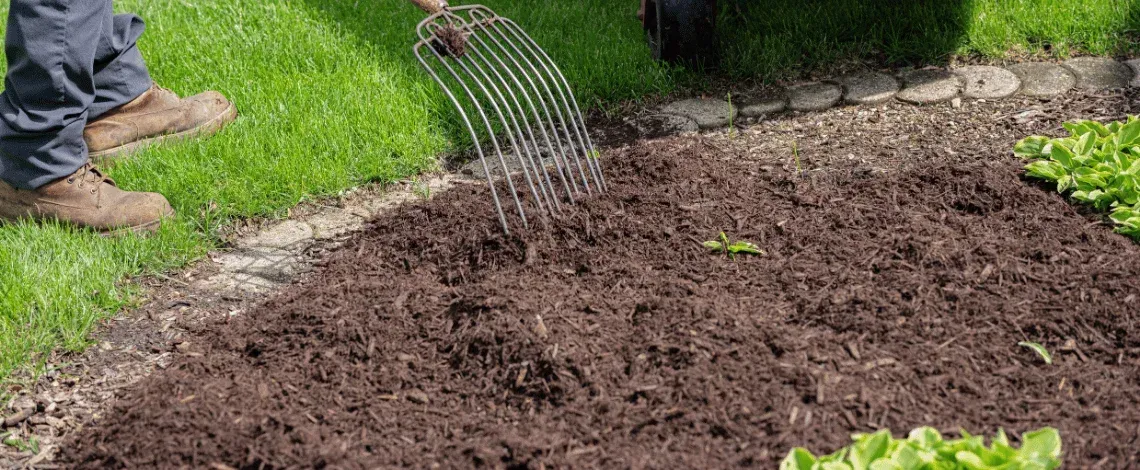
Landscape beds often collect leaves, sticks, and dead growth during the winter months. A professional spring landscape cleanup in Morris County, NJ clears this material without disrupting plants that are beginning to emerge. Appropriate dead or damaged growth may also be trimmed to improve the appearance of planted areas.
Typical bed cleanup work may include:
- Removing accumulated leaves and branches
- Clearing loose plant debris
- Cutting back suitable dead growth
- Trimming visibly damaged material
- Redefining bed edges
- Preparing beds for fresh mulch
Clean bed lines improve the overall appearance of the landscape and make future mowing and edging more efficient. Once the cleanup is complete, homeowners can also consider mulch installation or updated plantings as part of a broader landscaping project.
Preparing the Property for Mowing and Edging
Spring cleanup is an important first step before weekly mowing begins. Branches, leaves, and hidden debris can obstruct equipment or cause uneven results if left on the turf. Clearing the lawn gives the mowing crew a clean surface to work with.
Defined edges around beds, walkways, and other landscaped areas also help create a more maintained appearance. Once these areas are prepared, mowing, edging, trimming, and blowing can be completed more consistently throughout the season.
Clearing Walkways, Patios, and Driveway Edges
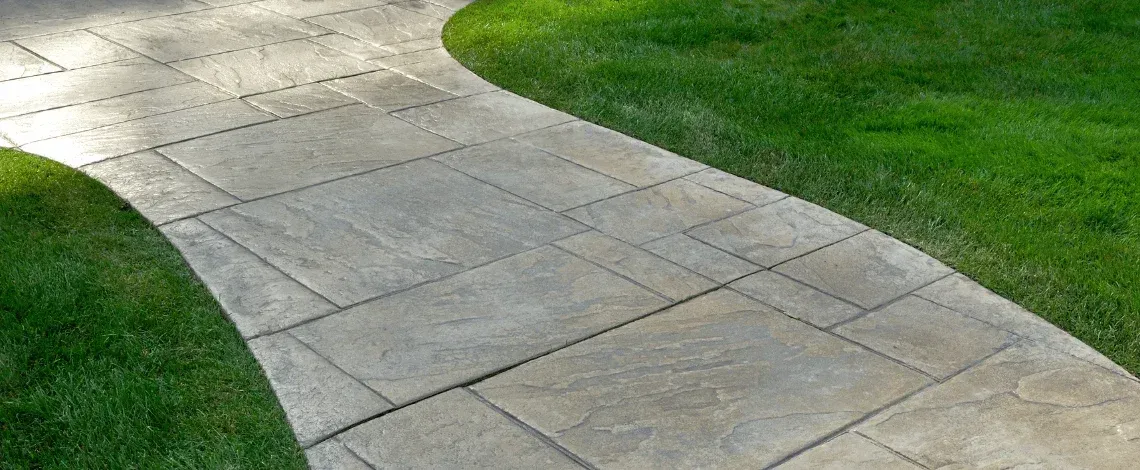
Leaves and soil often collect along patios, walkways, driveways, and landscape borders during winter. Blowing and clearing these areas helps complete the cleanup and prevents loose debris from returning to the lawn. It also creates a more polished appearance across the entire property.
These areas may include:
- Paver patios
- Stone or concrete walkways
- Outdoor living areas
- Driveway borders
- Retaining wall edges
- Landscape bed borders
This work does not involve rebuilding or repairing the hardscape. It simply ensures that existing outdoor surfaces are cleared as part of the overall property cleanup.
When Should You Schedule Spring Cleanup in NJ?
The best time for spring cleanup depends on soil moisture, snowmelt, drainage, shade, and current weather conditions. In most cases, the property should be firm enough to handle foot traffic and maintenance equipment without creating ruts. Homeowners should not rely solely on a specific date, as every yard dries at a different rate.
| Property Condition | Recommended Approach |
|---|---|
| Lawn is muddy or soft | Allow more time for the ground to dry |
| Snow remains in shaded areas | Wait until most snow and ice have melted |
| Lawn feels firm underfoot | Cleanup can generally begin |
| Plants are starting to emerge | Clear beds carefully |
| Grass is nearing mowing height | Schedule cleanup soon |
Properties with clay soil, heavy shade, poor drainage, or low areas may remain wet longer. Starting later on these properties may be necessary to avoid damaging the turf.
Why Starting Too Early Can Damage the Lawn
Beginning spring cleanup while the ground is saturated can compact the soil and leave visible footprints or equipment marks. Heavy raking may also disturb weak turf before it has fully recovered from winter. Landscape beds can become muddy and difficult to clean properly.
Starting too early may result in:
- Soil compaction
- Ruts across the lawn
- Disturbed turf
- Mud tracked onto walkways
- Damage around emerging plants
Waiting for suitable conditions allows the crew to work more efficiently while protecting the property.
Why Waiting Too Long Creates More Work
Delaying a seasonal landscape cleanup in NJ can also create problems. Grass and weeds may begin growing through wet leaves and dead material, making the debris harder to remove. The first mowing may also become more difficult when branches and buildup remain across the lawn.
A delayed cleanup can lead to:
- Debris tangled in new growth
- Less consistent mowing results
- Untidy landscape beds
- Faster early-season weed growth
- Reduced curb appeal
Scheduling cleanup before regular mowing begins helps keep the property maintenance schedule organized.
How Spring Cleanup Supports Ongoing Maintenance
Spring cleanup is not a replacement for routine landscape maintenance. Instead, it creates the foundation for mowing, edging, trimming, and blowing throughout the growing season. A clean property is easier to maintain and allows crews to deliver more consistent results.
It may also uncover areas that require separate services. Bare planting beds may benefit from mulch or new landscaping, while persistent standing water may indicate a drainage or grading concern. These improvements can be evaluated after the initial cleanup has made the property easier to inspect.
Prepare Your NJ Property for the Growing Season
A professional spring yard cleanup removes winter debris and prepares the lawn, beds, and paved areas for seasonal care. When completed at the right time, it protects soft turf and creates a smoother transition into regular mowing and landscape maintenance. It also gives homeowners a clearer view of any landscaping, grading, or drainage concerns that may need attention.
DRS Lawn & Landscape provides seasonal cleanups and professional landscape maintenance for properties in Long Valley and surrounding New Jersey communities.
Contact us today to schedule spring yard cleanup in NJ and prepare your property for the growing season.
Recent Posts