How to Choose Plants That Actually Survive in Morris County, NJ
Dave Steinel • August 10, 2026
Choosing plants for a Morris County property involves more than selecting attractive flowers and shrubs at a nursery. Cold winters, deer activity, clay-heavy soil, drainage patterns, and sunlight exposure can all influence whether a new landscape thrives or struggles. The best plants for NJ yards are those selected specifically for the conditions and layout of the property.
Professional landscaping brings these factors together through property assessment, landscape design, planting installation, bed preparation, and mulch installation. Instead of treating plants as separate additions, the entire landscape can be planned to create better curb appeal, balanced growth, and manageable long-term maintenance.
Evaluate Your Property Before Selecting Plants
Different parts of the same yard may require completely different plants. A bed beside the house may remain shaded and moist, while an open area near the driveway receives direct sun and dries quickly. Evaluating these conditions before designing the landscape helps prevent weak growth, overcrowding, and unnecessary plant replacement.
A professional property assessment should consider:
- Daily sunlight and shade patterns
- Soil type and existing compaction
- Wet areas and drainage patterns
- Deer activity and browsing damage
- Mature space around patios, walkways, and buildings
These conditions help determine where planting beds should be created and which trees, shrubs, grasses, or perennials may work in each location. They can also reveal whether grading or drainage improvements should be completed before new landscaping is installed.
Choose Plants Suited to Northern New Jersey
Many homeowners look for Zone 6b plants in New Jersey because they are generally capable of tolerating the region’s cold winters. However, a hardiness rating does not guarantee that a plant will grow successfully in every Morris County yard. Sunlight, moisture, soil quality, and exposure must also match the plant’s needs.
Depending on the location, suitable plants may include:
| Property condition | Plants to consider |
|---|---|
| Sunny landscape beds | Catmint, salvia, coreopsis, and switchgrass |
| Partial shade | Inkberry holly, summersweet, and Virginia sweetspire |
| Shaded areas | Ferns, Pennsylvania sedge, and wild ginger |
| Moist locations | Buttonbush, red-twig dogwood, and swamp milkweed |
| Dry locations | Juniper, sedum, and little bluestem |
These examples provide a starting point, but the exact variety must also fit the landscape design. Mature height, width, shape, and seasonal appearance should all be considered before installation.
Work With Clay Soil and Drainage Conditions
Clay soil can hold valuable moisture and nutrients, but it may also become compacted and drain slowly. Plants that grow in clay soil in NJ are often better suited to these conditions, but they can still decline when water remains around their roots. Landscape bed preparation and drainage should therefore be considered alongside plant selection.
Clay-tolerant options may include:
- Black-eyed Susan
- Aster
- Ninebark
- Virginia sweetspire
- Switchgrass
- Red-twig dogwood
Some planting areas may benefit from soil preparation, organic material, and fresh mulch. Properties with persistent standing water may require grading, excavation, or drainage improvements before trees and shrubs are installed.
Select Plants With Deer Activity in Mind
Deer can quickly damage new landscaping in Long Valley and other wooded areas of Morris County. Although no plant is completely deer-proof, certain shrubs, perennials, and ornamental grasses are less attractive to browsing deer. Choosing deer-resistant plants in Morris County, NJ, can reduce damage and help the landscape maintain its intended appearance.
Frequently considered options include:
- Boxwood
- Juniper
- Andromeda
- Catmint
- Salvia
- Allium
- Ornamental grasses
Plant placement can provide another level of protection. More vulnerable plants may be positioned closer to the house or frequently used outdoor areas, while resistant shrubs and grasses can be installed along more exposed property edges.
Plan for Mature Size and Landscape Layout
A small nursery plant can eventually become a large shrub or tree. When plants are installed too close to walkways, patios, retaining walls, or windows, they may require constant pruning or eventually need to be removed. A landscape design should account for mature growth from the beginning.
Before installing a plant, consider:
- Its mature height and width
- Required distance from structures
- Seasonal pruning and cleanup
- Growth rate and spreading habits
- Color, texture, and seasonal interest
- How it complements nearby plants and hardscaping
A balanced design may combine trees, foundation shrubs, ornamental grasses, and flowering perennials. This creates layers of height and texture while preventing the yard from feeling crowded or disconnected.
Support New Plants With Proper Installation
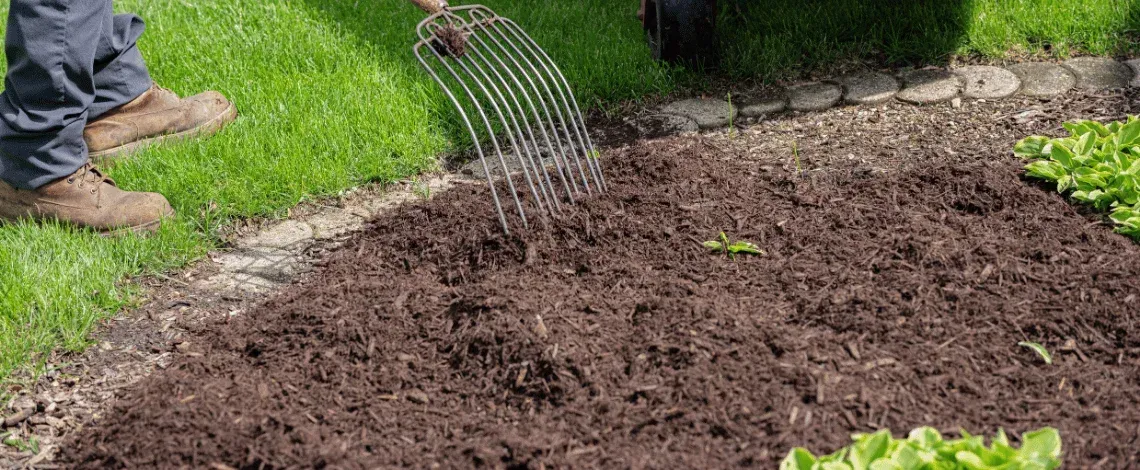
Even well-selected plants can fail when the installation is rushed. Soil preparation, planting depth, spacing, mulch placement, drainage, and early watering all affect how successfully roots become established. Preparing the entire planting bed also yields a cleaner, more cohesive result than installing plants individually throughout the yard.
Professional landscaping can coordinate:
- Landscape design and planting layouts
- New landscape bed installation
- Shrub and tree installation
- Planting updates and renovations
- Bed edging and mulch installation
- Grading or drainage work when needed
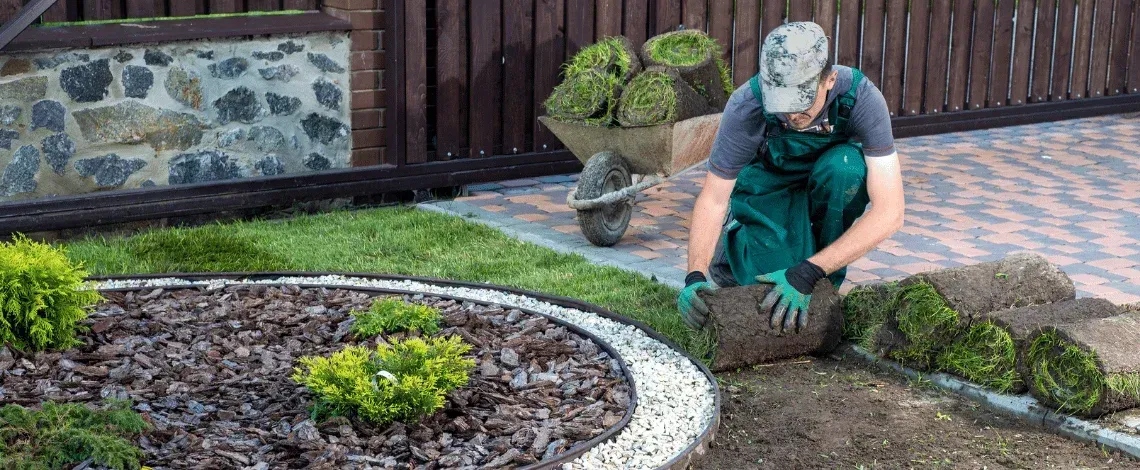
- Sod or seeding around completed beds
Bringing these services together helps the lawn, planting beds, trees, and surrounding outdoor features feel like a single, cohesive landscape. It also addresses underlying property conditions before they begin affecting newly installed plants.
Create Landscaping That Fits Your Morris County Property
The best plants for NJ yards are not determined by appearance alone. Successful landscaping considers sunlight, clay soil, drainage, deer activity, winter hardiness, mature plant size, and how each planting area fits within the rest of the property. Planning around these conditions can produce a landscape that remains attractive and easier to maintain.
DRS Lawn & Landscape provides professional landscape design and installation for properties throughout Morris County. Our team can assess your yard, plan new landscape beds, install trees and plantings, apply mulch, and address grading or drainage concerns that could affect the finished project.
Contact us today to start planning landscaping tailored to your property's conditions.
Recent Posts