Get Your Garden Ready for Spring with These Expert Tips from A Landscaper in Long Valley, NJ
Dave Steinel • May 16, 2022
Everyone is waiting for that beautiful spring weather with the leaves budding, flowers blooming, and bees buzzing. But getting your garden ready for spring takes some work. This blog post will discover the best ways to get your garden ready for spring. You’ll also learn some great tips from an experienced professional landscaper in Long Valley, NJ, on what you can do now to ensure your garden thrives when the weather warms up again.
Check for damage from winter weather.
Before you even think about adding new plants, you need to ensure that your current garden is healthy. First, check to ensure there isn’t any damage from winter weather. You may need to repair fencing, remove fallen branches from trees, and cut back overgrown bushes. When you make repairs, keep in mind that your garden will be growing for several months, so make sure you leave enough room for plants to grow. Before you even think about adding new plants, you need to ensure that your current garden is healthy. First, check to ensure there isn’t any damage from winter weather. You may need to repair fencing, remove fallen branches from trees, and cut back overgrown bushes. When you make repairs, keep in mind that your garden will be growing for several months, so make sure you leave enough room for plants to grow.
Remove dead plants and bushes.
Now you can get rid of any dead plants and bushes. Many gardeners mistake clearing away all their dead plants and bushes before spring arrives. But don’t do that! Dead plants and bushes are helpful for your garden. Dead plants and branches add organic matter to your soil. This helps your garden thrive because it provides your plants with nutrients. So leave your dead plants and bushes in your garden. They’re helping your garden! You may need to remove a few dead plants, but don’t get rid of anything you want to keep growing. If you have any dead bushes, you should remove them. They’re taking up space that other plants could use.
Add organic matter to the soil.
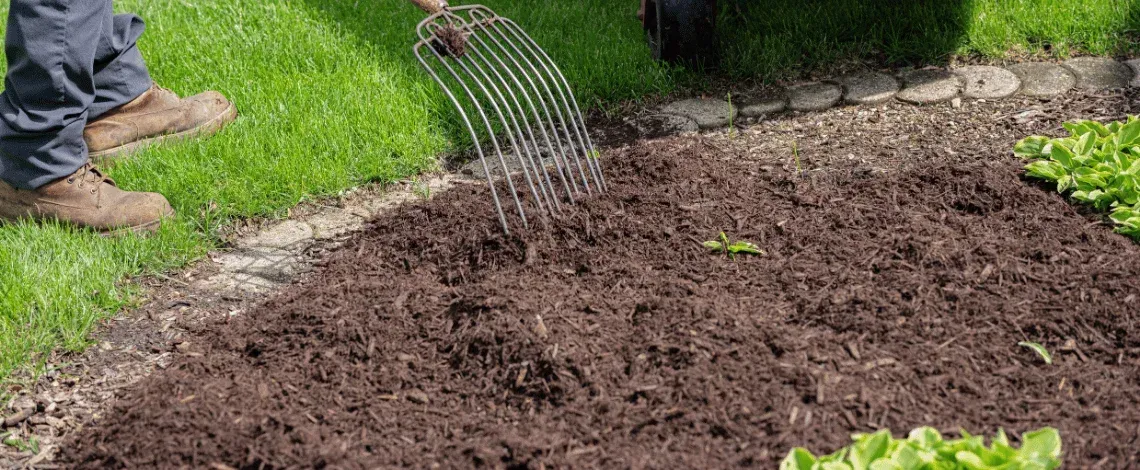
You can also improve your soil by adding organic matter. This could be compost, manure, leaves, or grass clippings. Organic matter helps your garden because it increases the number of nutrients in the soil. When your soil has more nutrients, your plants grow better. Once your soil has been enriched, you may want to check your garden soil pH levels. This tells you how acidic or alkaline your soil is. Most plants prefer a soil pH of 6.5 to 7.0, but each has different requirements. You can test your soil pH with a kit from a garden store or online.
Start fertilizing now
If you want a garden that blooms in the spring and looks beautiful all summer, you need to fertilize it. This will give your plants the nutrients to grow strong and produce beautiful flowers. You can fertilize your garden with soil or liquid fertilizers. Fertilizers come in different forms, including soil, liquid, and granular. There are also organic and synthetic fertilizers made with varying mixes of nutrients. You can choose one that’s best for your garden. Fertilizers help your plants grow by adding nutrients like nitrogen, ammonium, and phosphorus to the soil. You can find fertilizer products at garden stores or online. Choose a fertilizer that’s right for your plants.
Add some color with flowering shrubs.
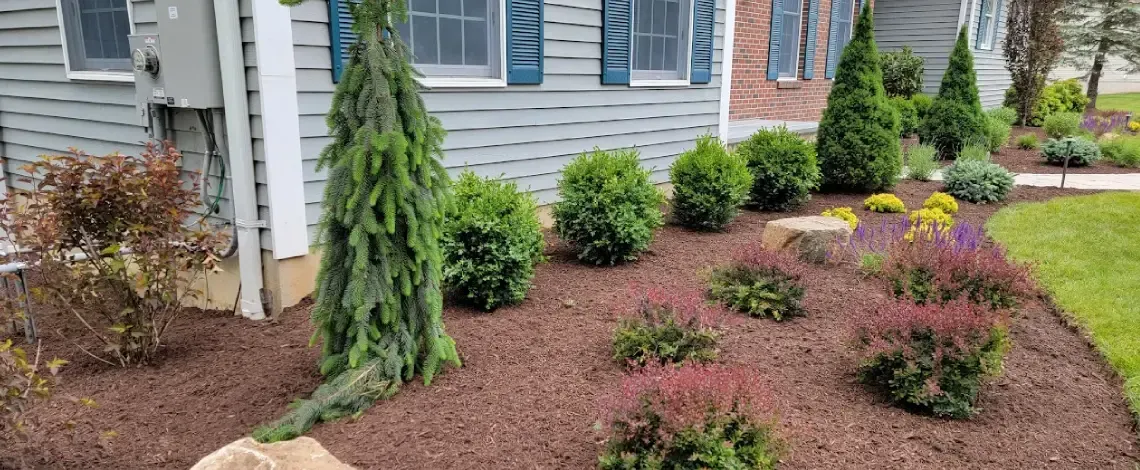
Now is the perfect time to add color to your garden by planting flowering shrubs. You can choose from many colors, including pink, purple, orange, red, white, and yellow. Some flowering shrubs will also produce berries, making them an excellent choice for edible gardens. You can also choose flowering herbs to add color to your garden. The best herbs for spring-flowering are rosemary, chives, lemon balm, lavender, and thyme. When you plant flowering shrubs now, they’ll be blooming by spring. You can also produce some vegetable plants like tomatoes, peppers, squash, and cucumbers. They need about 80-90 days to grow before you can harvest them, so you’ll be able to enjoy your garden in the spring.
Conclusion
Now is the perfect time to get your garden ready for spring. You can fertilize your plants, add organic matter to the soil, and plant flowering shrubs. You can also grow vegetables like tomatoes, squash, peppers, and cucumbers. These plants need about 80-90 days before you can harvest them, so they’ll be ready to be planted in the spring. Getting your garden ready for spring is a fun project to do, especially if you love gardening. You can also do some gardening year-round if you live in a warmer climate. With these expert tips from a professional landscaper in Long Valley, NJ, you can get your garden ready for spring.
Everyone is waiting for that beautiful spring weather with the leaves budding, flowers blooming, and bees buzzing. But getting your garden ready for spring takes some work. This blog post will discover the best ways to get your garden ready for spring. You’ll also learn some great tips from an experienced professional landscaper in Long Valley, NJ, on what you can do now to ensure your garden thrives when the weather warms up again.
Check for damage from winter weather.
Before you even think about adding new plants, you need to ensure that your current garden is healthy. First, check to ensure there isn’t any damage from winter weather. You may need to repair fencing, remove fallen branches from trees, and cut back overgrown bushes. When you make repairs, keep in mind that your garden will be growing for several months, so make sure you leave enough room for plants to grow. Before you even think about adding new plants, you need to ensure that your current garden is healthy. First, check to ensure there isn’t any damage from winter weather. You may need to repair fencing, remove fallen branches from trees, and cut back overgrown bushes. When you make repairs, keep in mind that your garden will be growing for several months, so make sure you leave enough room for plants to grow.
Remove dead plants and bushes.
Now you can get rid of any dead plants and bushes. Many gardeners mistake clearing away all their dead plants and bushes before spring arrives. But don’t do that! Dead plants and bushes are helpful for your garden. Dead plants and branches add organic matter to your soil. This helps your garden thrive because it provides your plants with nutrients. So leave your dead plants and bushes in your garden. They’re helping your garden! You may need to remove a few dead plants, but don’t get rid of anything you want to keep growing. If you have any dead bushes, you should remove them. They’re taking up space that other plants could use.
Add organic matter to the soil.
You can also improve your soil by adding organic matter. This could be compost, manure, leaves, or grass clippings. Organic matter helps your garden because it increases the number of nutrients in the soil. When your soil has more nutrients, your plants grow better. Once your soil has been enriched, you may want to check your garden soil pH levels. This tells you how acidic or alkaline your soil is. Most plants prefer a soil pH of 6.5 to 7.0, but each has different requirements. You can test your soil pH with a kit from a garden store or online.
Start fertilizing now
If you want a garden that blooms in the spring and looks beautiful all summer, you need to fertilize it. This will give your plants the nutrients to grow strong and produce beautiful flowers. You can fertilize your garden with soil or liquid fertilizers. Fertilizers come in different forms, including soil, liquid, and granular. There are also organic and synthetic fertilizers made with varying mixes of nutrients. You can choose one that’s best for your garden. Fertilizers help your plants grow by adding nutrients like nitrogen, ammonium, and phosphorus to the soil. You can find fertilizer products at garden stores or online. Choose a fertilizer that’s right for your plants.
Add some color with flowering shrubs.
Now is the perfect time to add color to your garden by planting flowering shrubs. You can choose from many colors, including pink, purple, orange, red, white, and yellow. Some flowering shrubs will also produce berries, making them an excellent choice for edible gardens. You can also choose flowering herbs to add color to your garden. The best herbs for spring-flowering are rosemary, chives, lemon balm, lavender, and thyme. When you plant flowering shrubs now, they’ll be blooming by spring. You can also produce some vegetable plants like tomatoes, peppers, squash, and cucumbers. They need about 80-90 days to grow before you can harvest them, so you’ll be able to enjoy your garden in the spring.
Conclusion
Now is the perfect time to get your garden ready for spring. You can fertilize your plants, add organic matter to the soil, and plant flowering shrubs. You can also grow vegetables like tomatoes, squash, peppers, and cucumbers. These plants need about 80-90 days before you can harvest them, so they’ll be ready to be planted in the spring. Getting your garden ready for spring is a fun project to do, especially if you love gardening. You can also do some gardening year-round if you live in a warmer climate. With these expert tips from a professional landscaper in Long Valley, NJ, you can get your garden ready for spring.
Recent Posts