Landscaping for Beginners: Tips for Managing Your Yard in 7 Steps

Landscaping for Beginners: Tips for Managing Your Yard in 7 Steps

Dave Steinel • October 22, 2022

When you picture the perfect home, the front yard probably isn’t something that springs to mind. But a good-looking lawn and well-maintained landscaping are more than just a nicety; it’s also an investment in your property value. A messy yard can make it feel like no one cares about your house, which will drive down its resale value. It doesn’t take much time or money to transform your property from looking like you don’t care about it to make visitors think you have high standards for curb appeal. And the best part is that you can do all this work and reap the benefits for years to go for very little out-of-pocket expense!

How to Landscape for Beginners: Why Maintaining Is Important

Maintaining your landscaping does more than keep your house looking nice. It also helps keep pests and weeds at bay, conserves water, and improves air quality. These benefits don’t come without work, though. You’ll need to water your lawn, trim trees and shrubs, and make sure your garden isn’t overgrown. You’ll also need to fertilize and regularly do essential maintenance like weeding and mowing.

Step 1: Assess your current landscape

Before you start planning your landscaping, you must get a general idea of what you currently have. This will give you a baseline to measure your progress and help you avoid costly missteps when making changes. You’ll want to take note of the following points: – What kind of soil do you have? – How much sun does each area of your lawn get? – What’s growing in your garden? – What kind of plants are around your property?

Step 2: Establish a budget and plan

Before making changes, you must decide how much you can afford to spend on landscaping. This includes the cost of hiring professionals to help you with your project, too. Once you’ve got a general idea of how much you can spend, you can start making a plan. You may want to consider the following: – Do you want to keep your current garden? – How much maintenance can you realistically handle? – What type of soil do you have? – How much sun does each area of your lawn get? – What types of plants grow well in your soil?

Step 3: Hire professionals or do the work yourself.

If you’ve ever tried to do landscaping work yourself, you know it’s more complicated than it looks. Unless you have experience, it’s probably best to hire a professional Long Valley NJ landscaper to help you with your project. There are plenty of landscaping companies, so it shouldn’t be hard to find one that fits your budget. A good landscaper will be able to give you advice on what plants and trees will grow best in your soil, as well as which ones will be the most low-maintenance for you.

Step 4: Add soil, plants, and mulch

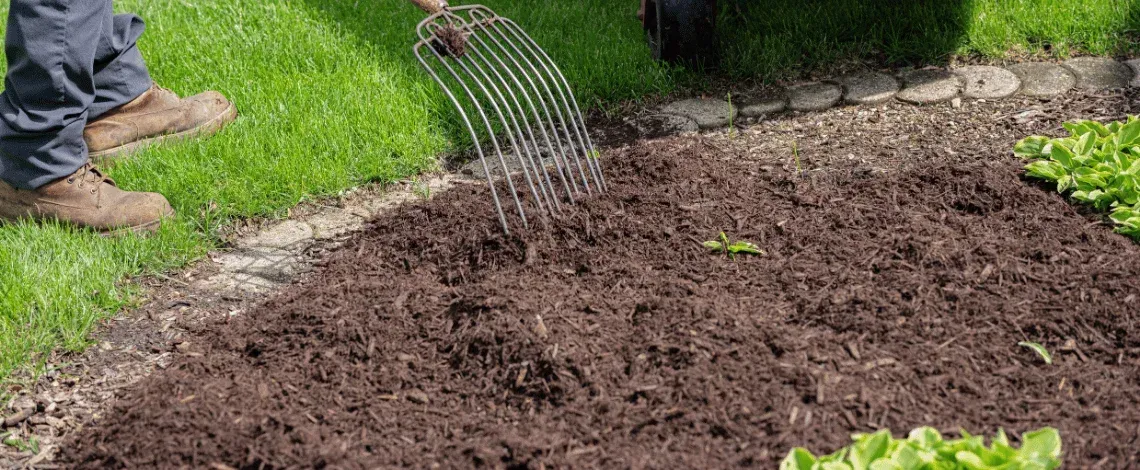
Before planting anything, you’ll need to add a couple of inches of good-quality soil to your beds. This will help your plants grow better and encourage healthier roots. Then you can start planting! You’ll want to mix your plants based on what grows best in your soil and how much sun they need. You can find plenty of information online, but hiring a professional will help you avoid costly mistakes. And don’t forget mulch! Mulch is a great way to keep your soil moist and healthy while keeping your beds looking tidy and helping your landscaping last longer.

Step 5: Lay down grass seed or sod

If you want a lush lawn but don’t want to deal with the hassle and maintenance of growing it from seed, you can always lay sod. Sod is a roll of grass that has been growing in a field for some time. When you lay sod, it’s almost like instantly having an entire lawn; you’ll have to water it a bit more for a few weeks until it’s fully established. You can always use grass seed if you want a lawn but don’t want to go the sod route. You’ll have to water, fertilize, and weed your patch until the seed is fully grown and can take care of itself.

Step 6: Plant trees and shrubs

You don’t have to have a full-blown garden to have well-maintained landscaping. Adding shrubs and trees to your yard is a great way to break up empty spaces and give your home curb appeal. You can go for various trees, but some of the most popular choices for landscaping include: – Oak trees: These are some of the most common trees planted as part of landscaping and for a good reason! They’re tall and can provide a lot of shade in the summer. – Dogwood trees: These are great because they come in a variety of colors, which makes them easy to match with the rest of your yard. – Rose bushes are a classic choice for landscaping thanks to their beautiful flowers and easy-to-manage nature.

Step 7: Rotate your landscaping to keep it looking nice

Like any other type of gardening, a well-kept landscape requires rotating the types of plants you put in your beds to avoid over-fertilizing your soil. You can do this by planting certain plants every other year and leaving the others out. This will help keep your soil healthy; your landscaping has been looking great for years. And if you do it correctly, it will also save you money on fertilizer! If you follow these steps and maintain your landscaping well, your property will be a beautiful showcase for years to come. A messy front lawn can make your house look neglected, but some work can make it look like you care about your home and property value.


Recent Posts
Average landscaping prices in New Jersey
By Dave Steinel March 13, 2023
Landscaping can enhance the beauty and functionality of your property, but it can come with a hefty price tag. This guide will help you understand the costs associated with different landscaping services in New Jersey so you can make informed decisions about your outdoor space. Factors That Affect Landscaping Costs Size of the Property Scope of Work Materials Used Seasonal Demand Contractor Experience 1. Size of the Property The size of your property is one of the most significant factors that affect landscaping costs. A larger property requires more labor, materials, and equipment, which will increase the overall cost of your project. 2. Scope of Work The scope of work refers to the specific landscaping services you require. Essential landscaping services, such as lawn mowing and weed control, will be less expensive than a complete landscape design project that involves installing a new patio, retaining walls, and planting new trees and shrubs. 3. Materials Used The materials used for your landscaping project will also affect the overall cost. High-end materials like natural stone are more expensive than concrete pavers or mulch. However, they can also increase your property’s value and aesthetic appeal. 4. Seasonal Demand The demand for landscaping services fluctuates throughout the year. In New Jersey, spring and summer are the busiest seasons for landscaping contractors. If you schedule your project during the off-season, you may be able to negotiate lower prices. 5. Contractor Experience The experience and expertise of your landscaping contractor can also impact the cost. More experienced contractors may charge higher rates, but they can also provide higher quality work and greater attention to detail. Typical Landscaping Costs in New Jersey Lawn Care Lawn Mowing: $30 – $60 per visit Lawn Fertilization: $50 – $100 per application Lawn Aeration: $75 – $200 per visit Hardscaping Patios: $10 – $25 per square foot Retaining Walls: $20 – $40 per square foot Walkways: $10 – $25 per square foot Softscaping Planting Trees and Shrubs: $50 – $200 per plant Sod Installation : $1 – $2 per square foot Mulching: $2 – $5 per square foot FAQs What Should I Look for in a Landscaping Contractor? Experience Look for a contractor with several years of experience in the industry. This indicates that they have a track record of success and can provide high-quality work. Portfolio Ask for examples of the contractor’s previous work to understand their style and capabilities. References Ask for references from previous clients to ensure that the contractor delivers satisfactory work and is reliable and professional. Licensing and Insurance Make sure that the contractor is licensed and insured. This protects you from any liability in case of accidents or damages during the project. Can I Save Money by Doing Landscaping Myself? While DIY landscaping may seem like a way to save money, it may cost you more in the long run. Lack of experience and access to equipment can lead to mistakes that require expensive fixes. Additionally, professional landscaping contractors often have access to wholesale pricing for materials, saving you money on supplies. How Do I Get an Accurate Landscaping Quote? To get an accurate quote for your landscaping project, it’s essential to be specific about your needs and expectations. Provide a detailed description of the work you want to be done and ask for an itemized breakdown of costs. Get multiple quotes from different contractors to compare prices and services. What Should I Do if I’m Not Happy with the Work? If you’re not satisfied with the work done, communicate your concerns with the contractor. Many issues can be resolved with open communication and a willingness to find a solution. If the contractor is unresponsive or unwilling to address your concerns, you may need to escalate the situation or seek legal recourse. Conclusion Landscaping is an investment that can improve the appearance and value of your property. Understanding the factors affecting New Jersey’s landscaping costs can help you budget for your project and find a contractor that meets your needs. Remember to do your research, get multiple quotes, and communicate your expectations with your contractor for the best results. References HomeAdvisor. (2022). How Much Does Landscaping Cost? Retrieved from https://www.homeadvisor.com/cost/landscape/ Landscaping Network. (n.d.). New Jersey Landscaping Ideas. Retrieved from https://www.landscapingnetwork.com/new-jersey/ The Spruce. (2022). How Much Does Landscaping Cost? Retrieved from https://www.thespruce.com/landscaping-costs-and-pricing-landscape-design-4119748 NJ Landscaping Cost Guide “NJ Landscaping Cost Guide” is a comprehensive resource that can help you understand the factors that affect the cost of landscaping projects in New Jersey. Knowing what to expect lets you make informed decisions about your landscaping needs and find a contractor that provides high-quality work at a fair price.
How landscaping adds value and visual appeal to properties
By Dave Steinel March 13, 2023
Landscaping is an essential part of maintaining your property’s beauty and functionality. It involves designing and maintaining outdoor spaces to create a visually appealing and functional environment. Landscaping provides numerous benefits, including increased curb appeal, improved property value, and reduced maintenance costs. This article will explore the importance of landscaping for your property in detail. Increased Curb Appeal: Landscaping can improve the appearance of your property by adding color, texture, and structure. A well-designed landscape can make your property stand out in the neighborhood and create a positive first impression. Curb appeal is significant if you’re planning to sell your property, as it can significantly impact the sale price and time on the market. Improved Property Value: Landscaping is a valuable investment in your property, as it can increase its value by up to 20%. A well-designed and maintained landscape can create an outdoor living space that adds to your property’s overall functionality and enjoyment. Landscaping can also reduce your property’s time on the market, making it a more attractive option for potential buyers. Reduced Maintenance Costs: A well-designed landscape can reduce maintenance costs by minimizing water usage, preventing erosion, and reducing the need for mowing and other maintenance activities. Landscaping can also protect your property from environmental damage, such as erosion, flooding, and wind damage. Investing in a high-quality landscape design can reduce the time and money spent on maintenance and repair activities in the long run. Conclusion: Landscaping is a valuable investment in your property that can provide numerous benefits, including increased curb appeal, improved property value, and reduced maintenance costs. By creating a well-designed and maintained outdoor environment, you can enhance the beauty and functionality of your property and create a space you’ll love spending time in.
Choosing the right team makes all the difference in how your property looks, functions, and holds its value over time. At DRS Lawn & Landscape, every service is delivered with care, experience, and attention to detail from start to finish. Our goal is to provide dependable outdoor solutions that simplify property care and produce results you can rely on year after year.